Overseas Procurement Guide: Double Planetary Mixer
Mar 18, 2026
Products Description

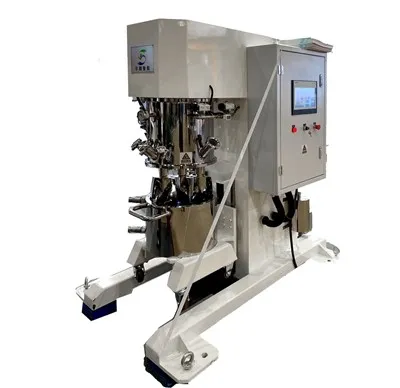
Double Planetary mixer represents critical equipment in modern industrial manufacturing, offering precision and efficiency for material processing across diverse sectors. This comprehensive guide aims to assist international buyers in making informed procurement decisions when sourcing these essential machines from global suppliers.
Double Planetary mixer utilizes a unique rotating mechanism where the mixing tool rotates on its own axis while simultaneously orbiting the vessel, creating a thorough and homogeneous blend. This dual-motion design ensures superior mixing results compared to conventional equipment.
This machine finds extensive applications in industries ranging from pharmaceuticals and food processing to chemicals, ceramics, and construction materials. Their versatility makes them indispensable for businesses seeking reliable material processing solutions.
Key Factors to Consider Before Procurement
一. Technical Specifications
Before initiating the procurement process, buyers must clearly define their technical requirements. Consider the following parameters:
Capacity Requirements: Determine the batch size or continuous throughput needed for your operations.
Material Compatibility: Verify that the equipment materials (typically stainless steel grades 304 or 316L) are suitable for your specific products.
Speed and Control Options: Assess whether variable speed controls and programmable settings are necessary.
Power Supply: Confirm compatibility with local electrical standards (voltage, frequency, and phase requirements).
Safety Features: Ensure compliance with international safety standards such as CE, UL, or CSA certifications.
二. Supplier Evaluation Criteria
Selecting a reputable supplier is paramount for successful procurement. Evaluate potential vendors based on:
Manufacturing Experience: Prefer suppliers with demonstrated expertise in producing planetary equipment.
Quality Certifications: Look for ISO 9001:2015 certification and relevant industry-specific approvals.
Export Track Record: Assess the supplier's history of successful international shipments and customer references.
After-Sales Support: Confirm availability of technical assistance, spare parts, and warranty terms.
Customization Capabilities: Determine if the supplier can modify equipment to meet specific requirements.
Sourcing Channels and Strategies
一. Online B2B Platforms
Digital marketplaces offer convenient access to numerous suppliers worldwide. However, buyers should exercise due diligence by verifying supplier credentials, requesting detailed quotations, and conducting thorough background checks before finalizing transactions.
二. Trade Shows and Industry Exhibitions
Attending international trade fairs provides valuable opportunities for hands-on equipment evaluation and face-to-face meetings with potential suppliers.
三. Direct Manufacturer Engagement
Establishing direct relationships with manufacturers often yields the most competitive pricing and ensures clear communication channels.
Quality Assurance and Inspection
Implementing robust quality assurance protocols protects your investment and ensures equipment reliability. Consider the following measures:
1. Factory Acceptance Testing (FAT): Request witnessed testing at the manufacturing facility before shipment
2. Third-Party Inspection: Engage independent inspection agencies to verify compliance with specifications
3. Documentation Requirements: Ensure comprehensive documentation, including operation manuals, maintenance guides, and certification records
Logistics and Import Considerations
一. Shipping and Transportation
Coordinate with suppliers to determine optimal shipping methods based on equipment size, weight, and urgency. Options include sea freight for cost-effective large shipments, air freight for urgent deliveries, and multimodal transport for balanced cost-speed requirements.
二. Customs and Regulatory Compliance
Familiarize yourself with import regulations in your destination country. Prepare necessary documentation including commercial invoices, packing lists, certificates of origin, and any required import permits or licenses. Understanding tariff classifications and applicable duties helps accurate cost estimation.
三. Installation and Commissioning
Clarify installation responsibilities and associated costs before purchase. Some suppliers provide on-site installation services, while others offer remote technical support. Ensure your facility meets infrastructure requirements, including adequate floor space, ventilation, and utility connections.
Cost Considerations and Payment Terms
Total Cost of Ownership
Beyond the initial purchase price, consider the total cost of ownership throughout the equipment lifecycle. Factor in:
1. Shipping, insurance, and customs clearance expenses
2. Installation and commissioning costs
3. Ongoing maintenance and spare parts expenditures
4. Energy consumption and operational costs
5. Potential downtime and productivity impacts
Successful procurement of Double Planetary Mixer requires thorough planning, careful supplier evaluation, and comprehensive understanding of technical requirements. By following the guidelines outlined in this document, international buyers can navigate the procurement process confidently, ensuring acquisition of reliable equipment that meets their operational needs.