

Can a homogenizer be used for ice - cream production?
Jan 15, 2026
In the dynamic world of food production, ice cream stands out as a beloved treat that has captured the hearts and taste buds of people across the globe. The process of making ice cream is a delicate balance of art and science, where the right equipment can make all the difference in achieving the perfect texture, flavor, and consistency. As a leading homogenizer supplier, I'm often asked whether a homogenizer can be used for ice cream production. In this blog post, I'll explore the role of homogenizers in ice cream manufacturing, highlighting their benefits, applications, and why they are an essential tool for any ice cream producer.
Understanding Homogenization
Before delving into the specifics of using a homogenizer for ice cream production, it's important to understand the concept of homogenization. Homogenization is a mechanical process that involves breaking down and dispersing particles in a liquid to create a uniform and stable mixture. In the context of ice cream, homogenization is primarily used to emulsify the fat globules present in the milk and cream, preventing them from separating and creating a smooth, creamy texture.
When milk and cream are combined, the fat globules have a tendency to rise to the surface due to their lower density, resulting in a layer of cream separating from the milk. This is known as creaming. By subjecting the milk and cream mixture to high-pressure homogenization, the fat globules are forced through a narrow valve orifice at high speeds, causing them to break into smaller droplets. These smaller droplets are then more evenly distributed throughout the liquid, reducing the likelihood of creaming and creating a more stable emulsion.
Benefits of Using a Homogenizer in Ice Cream Production
Using a homogenizer in ice cream production offers several key benefits that contribute to the overall quality and appeal of the final product. Here are some of the main advantages:
Improved Texture
One of the primary benefits of homogenization is the improvement in texture. By reducing the size of the fat globules, homogenization creates a smoother, creamier, and more velvety texture in the ice cream. This results in a more enjoyable eating experience, as the ice cream melts more evenly in the mouth and has a less gritty or sandy texture.
Enhanced Stability
Homogenization also enhances the stability of the ice cream by preventing the fat globules from coalescing and separating during storage and distribution. This helps to maintain the consistency and quality of the ice cream over time, reducing the likelihood of ice crystal formation and ensuring a longer shelf life.
Better Flavor Release
The smaller fat globules created during homogenization provide a larger surface area for the flavor compounds to interact with, resulting in a more intense and evenly distributed flavor. This allows the flavors in the ice cream to be more pronounced and well-balanced, enhancing the overall taste experience for consumers.
Increased Overrun
Overrun refers to the amount of air incorporated into the ice cream during the freezing process. Homogenization can help to increase the overrun by creating a more stable emulsion that can better hold air bubbles. This results in a lighter, fluffier texture and a higher volume of ice cream per unit of ingredients, which can be beneficial for both producers and consumers.
Types of Homogenizers for Ice Cream Production
There are several types of homogenizers available on the market, each with its own unique features and capabilities. The most common types of homogenizers used in ice cream production include:
High-Pressure Homogenizers
High-pressure homogenizers are the most widely used type of homogenizer in the food industry, including ice cream production. These homogenizers work by forcing the liquid through a narrow valve orifice at high pressures, typically ranging from 1000 to 3000 psi (pounds per square inch). The high pressure causes the fat globules to break into smaller droplets, resulting in a more uniform and stable emulsion.
Ultrasonic Homogenizers
Ultrasonic homogenizers use high-frequency sound waves to create cavitation bubbles in the liquid. These bubbles collapse rapidly, generating high shear forces that break down the fat globules and other particles in the liquid. Ultrasonic homogenizers are known for their ability to produce very fine emulsions and dispersions, making them suitable for applications where a high degree of homogenization is required.
Microfluidizers
Microfluidizers are a type of high-pressure homogenizer that use a unique microchannel design to create extremely high shear forces. These homogenizers are capable of producing very small and uniform fat globules, resulting in a very smooth and stable emulsion. Microfluidizers are often used in applications where a high-quality product is required, such as in the production of premium ice cream.
Choosing the Right Homogenizer for Ice Cream Production
When choosing a homogenizer for ice cream production, there are several factors to consider, including the type of ice cream being produced, the volume of production, and the desired level of homogenization. Here are some tips to help you choose the right homogenizer for your needs:

Consider the Type of Ice Cream
Different types of ice cream require different levels of homogenization. For example, premium ice creams typically contain a higher percentage of fat and require a more intense homogenization process to achieve a smooth and creamy texture. On the other hand, low-fat or non-dairy ice creams may require a less intense homogenization process.
Evaluate the Volume of Production
The volume of ice cream production will also play a role in determining the type of homogenizer you need. If you are producing a small volume of ice cream, a laboratory-scale homogenizer may be sufficient. However, if you are producing a large volume of ice cream on a commercial scale, you will need a industrial-scale homogenizer that can handle the high throughput.
Look for a Homogenizer with Adjustable Pressure
An adjustable pressure homogenizer allows you to control the level of homogenization and adjust the pressure according to the specific requirements of your ice cream recipe. This gives you more flexibility and control over the production process, allowing you to achieve the desired texture and quality in your ice cream.
Consider the Maintenance and Cleaning Requirements
Homogenizers require regular maintenance and cleaning to ensure optimal performance and longevity. When choosing a homogenizer, consider the maintenance and cleaning requirements of the machine. Look for a homogenizer that is easy to clean and maintain, with replaceable parts that are readily available.
Conclusion
In conclusion, a homogenizer is an essential tool for ice cream production. By emulsifying the fat globules in the milk and cream, homogenization helps to create a smooth, creamy, and stable ice cream with a better texture, flavor, and shelf life. There are several types of homogenizers available on the market, each with its own unique features and capabilities. When choosing a homogenizer, it's important to consider the type of ice cream being produced, the volume of production, and the desired level of homogenization.
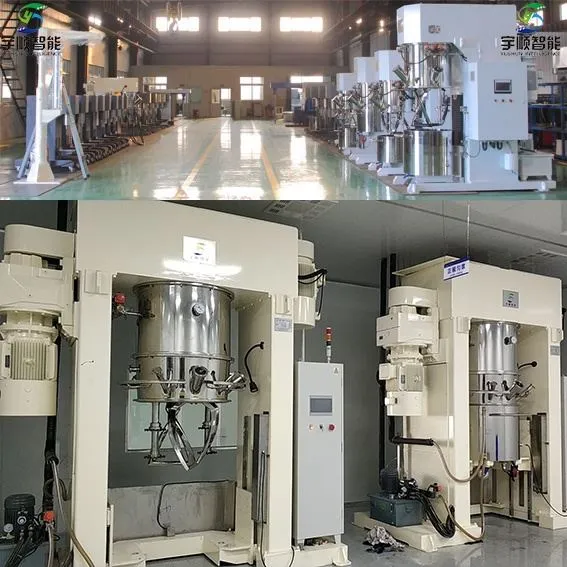
As a leading homogenizer supplier, we offer a wide range of high-quality homogenizers that are specifically designed for ice cream production. Our High Speed Vacuum Mixer Homogenizer and Lithium Battery Dispersing Homogenizer are just two examples of the innovative products we offer. If you're interested in learning more about how our homogenizers can improve your ice cream production process, we encourage you to contact us for a consultation. Our team of experts is here to help you choose the right homogenizer for your needs and provide you with the support and guidance you need to succeed in the competitive ice cream market.
References
- Hartel, R. W. (2001). Ice Cream. New York: Kluwer Academic/Plenum Publishers.
- Goff, H. D., & Hartel, R. W. (2013). Ice Cream (7th ed.). New York: Springer.
- Walstra, P., Wouters, J. T. M., & Geurts, T. J. (2006). Dairy Science and Technology. New York: Marcel Dekker.