

What is the power rating of a homogenizer?
Nov 18, 2026
Hey there, folks! As a supplier of homogenizers, I often get asked about the power rating of these nifty machines. So, I thought I'd sit down and write a blog post to explain what it is, why it matters, and how it affects the performance of a homogenizer.

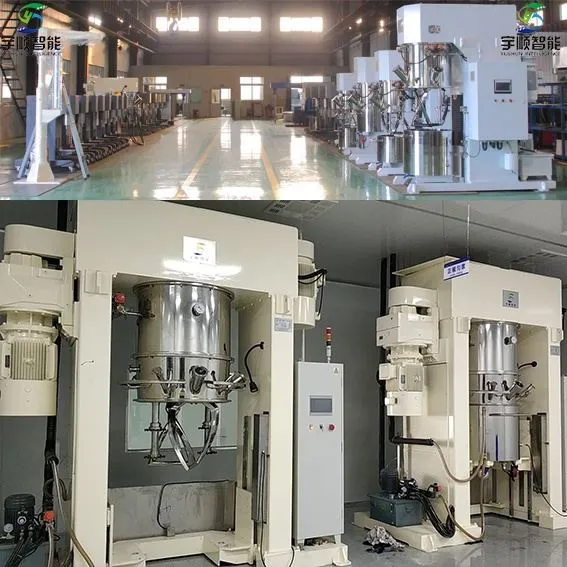
First things first, let's define what power rating means. In simple terms, the power rating of a homogenizer is the amount of electrical power it consumes to operate. It's usually measured in watts (W) or kilowatts (kW). Just like with any other electrical appliance, the power rating gives you an idea of how much energy the homogenizer will use and how much it will cost you to run.
Now, you might be wondering why the power rating is so important. Well, the power rating directly affects the performance of the homogenizer. A higher power rating generally means that the homogenizer can handle more viscous materials, operate at higher pressures, and produce a more consistent and uniform product. On the other hand, a lower power rating might be sufficient for less demanding applications or for smaller batches.
Let's take a closer look at how the power rating impacts different aspects of a homogenizer's performance:
1. Processing Capacity
One of the main factors influenced by the power rating is the processing capacity of the homogenizer. A homogenizer with a higher power rating can typically process larger volumes of material in a shorter amount of time. This is especially important for industrial applications where high throughput is crucial. For example, if you're running a large-scale production line for food or pharmaceutical products, you'll need a homogenizer with a high enough power rating to keep up with the demand.
2. Pressure Generation
Another key aspect is the ability of the homogenizer to generate high pressures. Many homogenization processes rely on high pressure to break down particles and achieve the desired level of dispersion. A higher power rating allows the homogenizer to generate and maintain higher pressures, which is essential for efficient particle size reduction. This is particularly important in applications such as emulsification, where you need to create stable emulsions with fine droplets.
3. Speed and Efficiency
The power rating also affects the speed and efficiency of the homogenization process. A more powerful homogenizer can operate at higher speeds, which means it can complete the homogenization process more quickly. This not only saves time but also improves the overall efficiency of your production line. Additionally, a higher power rating can help to reduce the number of passes required to achieve the desired results, further increasing efficiency.
4. Material Compatibility
Different materials have different viscosities and properties, and the power rating of the homogenizer needs to be matched to the material being processed. For example, highly viscous materials like pastes or gels require more power to be homogenized effectively. If you try to use a homogenizer with a low power rating for a high-viscosity material, you might not be able to achieve the desired level of dispersion, and the process could take much longer.
So, how do you choose the right power rating for your homogenizer? Well, it depends on several factors, including the type of material you're processing, the desired particle size, the production volume, and your budget. Here are some general guidelines to help you make an informed decision:
- Understand your application: Before you start looking at homogenizers, it's important to have a clear understanding of your specific application. Consider the type of material you'll be processing, the required particle size reduction, and the throughput you need to achieve.
- Consult with a supplier: As a homogenizer supplier, we have the expertise and experience to help you choose the right power rating for your needs. We can ask you some questions about your application and recommend a homogenizer that will meet your requirements.
- Consider future growth: If you expect your production volume to increase in the future, it might be a good idea to choose a homogenizer with a slightly higher power rating than you currently need. This will give you some room for growth and ensure that your homogenizer can keep up with your expanding business.
- Evaluate your budget: While a higher power rating generally means better performance, it also usually comes with a higher price tag. So, you'll need to balance your performance requirements with your budget constraints.
Now, let's talk about some of the different types of homogenizers we offer and their power ratings:
- High Speed Vacuum Mixer Homogenizer: This type of homogenizer is designed for high-speed mixing and homogenization under vacuum conditions. It's ideal for applications such as battery slurry production, where you need to achieve a high level of dispersion and ensure the quality of the final product. The power rating of our High Speed Vacuum Mixer Homogenizer can vary depending on the model and the specific requirements of your application. You can find more information about this product on our website High Speed Vacuum Mixer Homogenizer.
- Lithium Battery Dispersing Homogenizer: As the name suggests, this homogenizer is specifically designed for the production of lithium battery slurries. It's capable of effectively dispersing the active materials and achieving a uniform particle size distribution. Our Lithium Battery Dispersing Homogenizer comes in different models with varying power ratings to meet the needs of different production scales. You can learn more about this product by visiting Lithium Battery Dispersing Homogenizer.
In conclusion, the power rating of a homogenizer is an important factor to consider when choosing the right machine for your application. It affects the processing capacity, pressure generation, speed, efficiency, and material compatibility of the homogenizer. By understanding your specific requirements and working with a reputable supplier, you can select a homogenizer with the appropriate power rating to ensure optimal performance and productivity.
If you're in the market for a homogenizer or have any questions about power ratings or our products, don't hesitate to get in touch with us. We'd be happy to help you find the perfect solution for your needs and guide you through the purchasing process. Let's work together to take your production to the next level!
References
- "Homogenization Technology: Principles and Applications" by J. F. Frija, et al.
- "Food Emulsions: Principles, Practices, and Techniques" by S. E. Friberg, et al.
- "Pharmaceutical Dosage Forms: Disperse Systems" by H. A. Lieberman, et al.