

What are the common maintenance procedures for a homogenizer?
Aug 15, 2025
Hey there! As a supplier of homogenizers, I've seen firsthand how crucial these machines are in various industries, from food and beverage to pharmaceuticals and cosmetics. Homogenizers play a vital role in ensuring consistent product quality by breaking down particles and creating a uniform mixture. But like any piece of equipment, they need regular maintenance to keep them running smoothly. In this blog post, I'll walk you through the common maintenance procedures for a homogenizer.

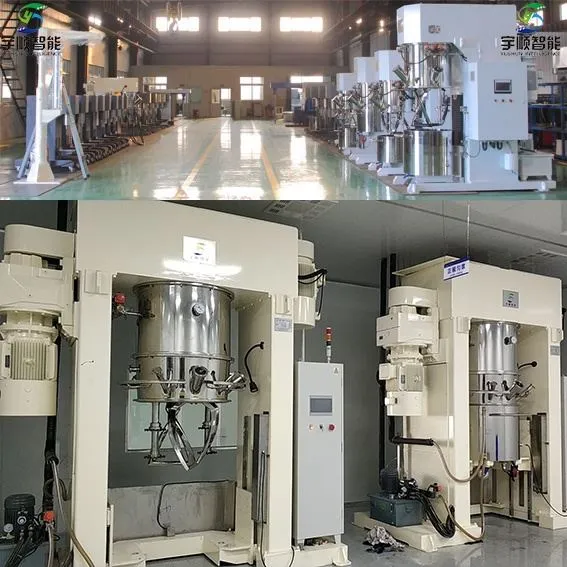
Daily Maintenance
Visual Inspection
Every day before you start using the homogenizer, give it a quick visual once - over. Check for any signs of leaks around the valves, seals, and connections. Leaks can not only lead to product loss but also cause damage to the machine over time. Look for any loose or damaged parts, such as belts or bolts. If you notice anything out of the ordinary, it's best to address it right away.
Cleaning
Cleaning is a key part of daily maintenance. After each use, flush the homogenizer with clean water to remove any product residue. For more stubborn residues, you might need to use a mild cleaning solution. Make sure to follow the manufacturer's instructions when using cleaning agents. Pay special attention to the homogenizing valve, which is where the actual homogenization process takes place. A dirty valve can affect the performance of the machine and lead to inconsistent results.
Lubrication
Some parts of the homogenizer, like the pump and the drive system, may require lubrication. Check the lubricant levels daily and top them up if necessary. Using the right type of lubricant is essential, so refer to the machine's manual for guidance. Proper lubrication reduces friction between moving parts, which in turn extends the lifespan of the machine and improves its efficiency.
Weekly Maintenance
Seal Inspection
Seals are critical components of a homogenizer as they prevent leaks and ensure the integrity of the system. Once a week, inspect the seals for wear and tear. If you notice any cracks, tears, or signs of degradation, replace the seals immediately. Faulty seals can lead to contamination of the product and can also cause the machine to malfunction.
Filter Replacement
Many homogenizers are equipped with filters to remove impurities from the product. These filters can get clogged over time, which can reduce the flow rate and affect the performance of the machine. Check the filters weekly and replace them as needed. A clogged filter can put extra strain on the pump and other components, potentially leading to more serious problems.
Belt Tension Check
If your homogenizer has belts, check their tension weekly. Loose belts can slip, causing the machine to lose power and operate inefficiently. On the other hand, belts that are too tight can put excessive stress on the motor and other parts. Use a belt tension gauge to ensure that the belts are properly tensioned according to the manufacturer's specifications.
Monthly Maintenance
Valve Inspection and Adjustment
The homogenizing valve is the heart of the homogenizer, and it needs regular attention. Once a month, inspect the valve for any signs of wear or damage. You may need to disassemble the valve for a more thorough inspection. If necessary, adjust the valve to ensure optimal performance. A well - adjusted valve is crucial for achieving the desired level of homogenization.
Motor and Electrical System Check
The motor and electrical system are what power the homogenizer. Check the motor for any signs of overheating, unusual noises, or vibrations. Inspect the electrical connections to make sure they are tight and free of corrosion. Loose or corroded connections can cause electrical problems and pose a safety hazard. If you're not comfortable working with electrical systems, it's best to have a qualified technician perform this check.
Calibration
Monthly calibration is important to ensure that the homogenizer is operating at the correct pressure and flow rate. Use a calibrated pressure gauge and flow meter to verify the settings of the machine. If the readings are off, adjust the machine accordingly. Proper calibration is essential for producing consistent and high - quality products.
Seasonal Maintenance
Coolant System Check
If your homogenizer has a coolant system, it's important to check it seasonally. The coolant helps to keep the machine at the right temperature, especially during extended periods of operation. Check the coolant level and the condition of the coolant hoses. Look for any signs of leaks or blockages. If the coolant is dirty or has a low level, replace it according to the manufacturer's recommendations.
Overall Machine Alignment
Over time, the components of the homogenizer can shift out of alignment. Seasonally, check the overall alignment of the machine. Misaligned parts can cause excessive wear and tear on the machine and can also affect its performance. Use alignment tools to ensure that all the components are properly aligned.
Specialized Homogenizers
Now, let's talk a bit about some specialized homogenizers we offer. If you're in the lithium battery industry, our Lithium Battery Dispersing Homogenizer is a great choice. It's designed to handle the specific requirements of lithium battery slurry production, ensuring uniform dispersion of materials.
For those who need high - speed mixing and homogenization in a vacuum environment, our High Speed Vacuum Mixer Homogenizer is the way to go. It combines the functions of mixing and homogenizing, providing efficient and reliable performance.
Conclusion
Proper maintenance of a homogenizer is essential for its long - term performance and reliability. By following these daily, weekly, monthly, and seasonal maintenance procedures, you can keep your homogenizer in top condition and avoid costly breakdowns. Remember, a well - maintained homogenizer not only produces better - quality products but also saves you time and money in the long run.
If you're in the market for a new homogenizer or need more information about maintenance, feel free to reach out to us. We're here to help you find the right solution for your needs and ensure that your homogenizer operates at its best. Let's start a conversation about your requirements and see how we can work together to take your production to the next level.
References
- Manufacturer's manuals for homogenizers
- Industry best practices for equipment maintenance